Vital role of our Annual Moving and
Assisting Training for Absolute Care Staff.
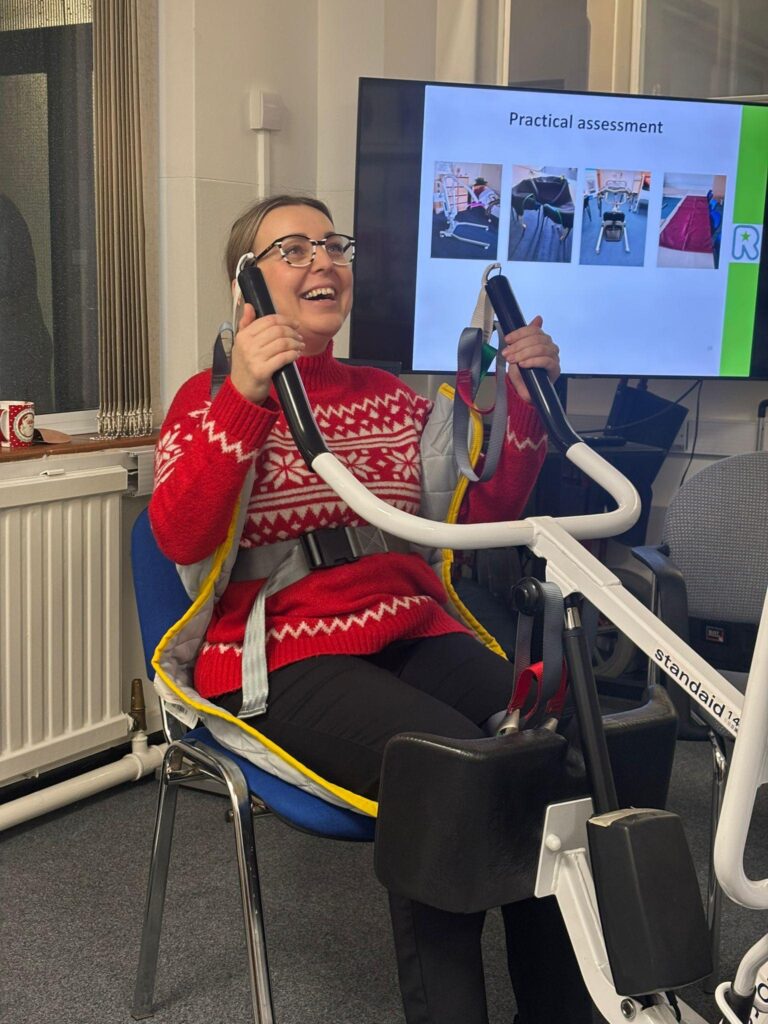
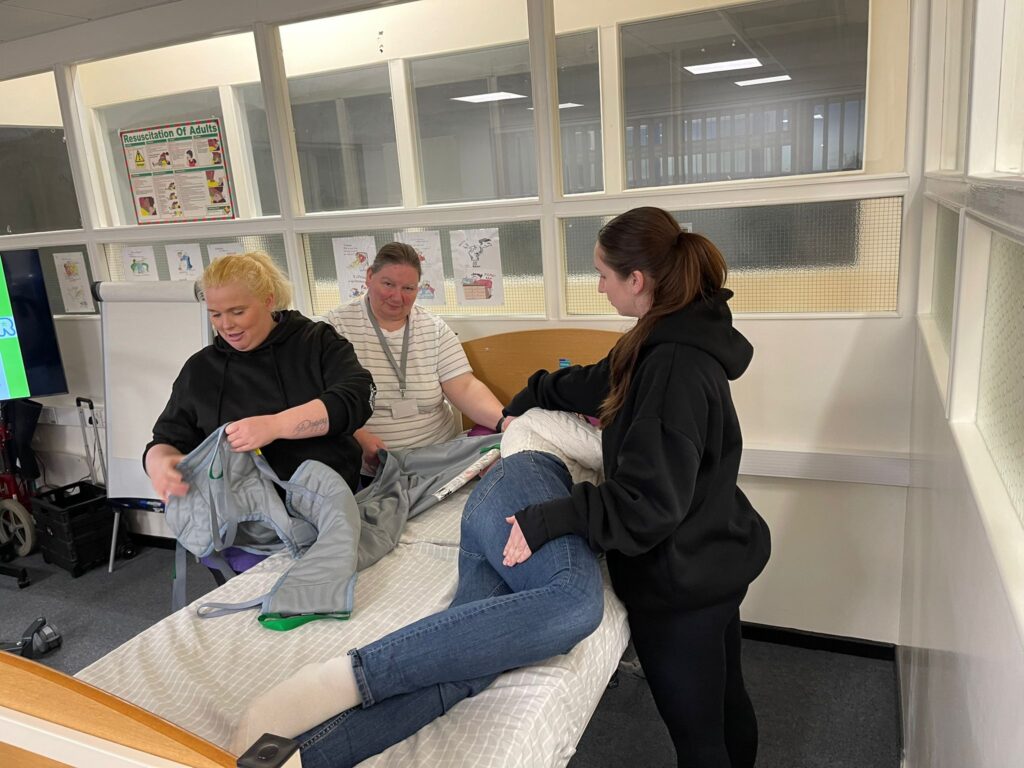
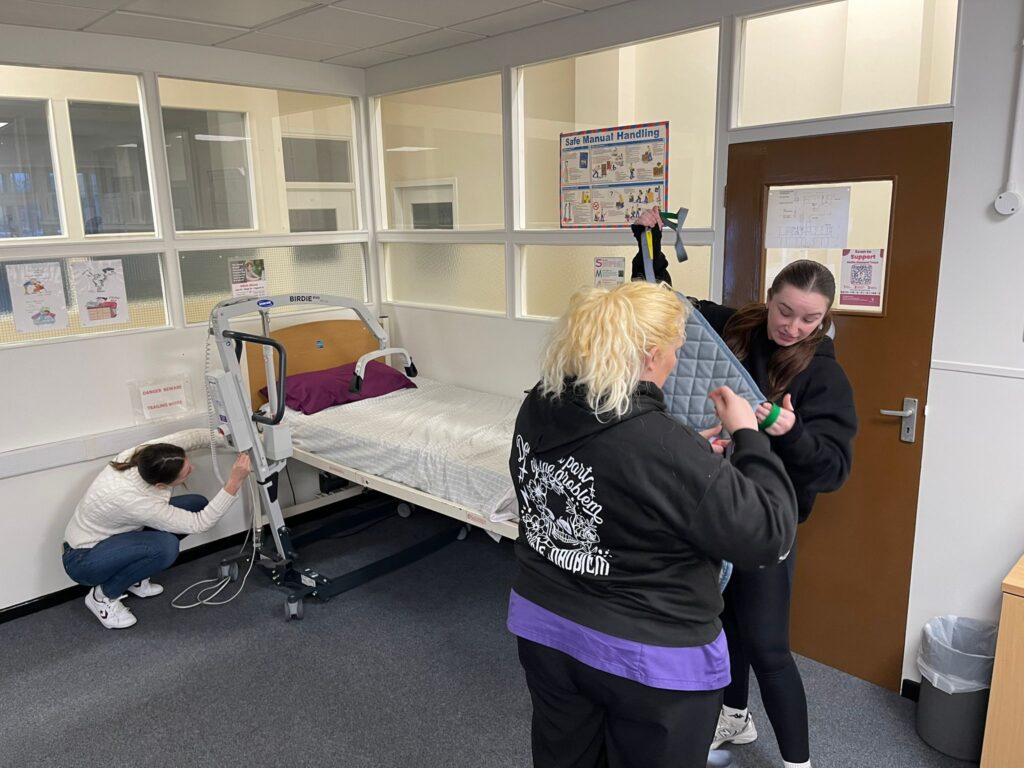
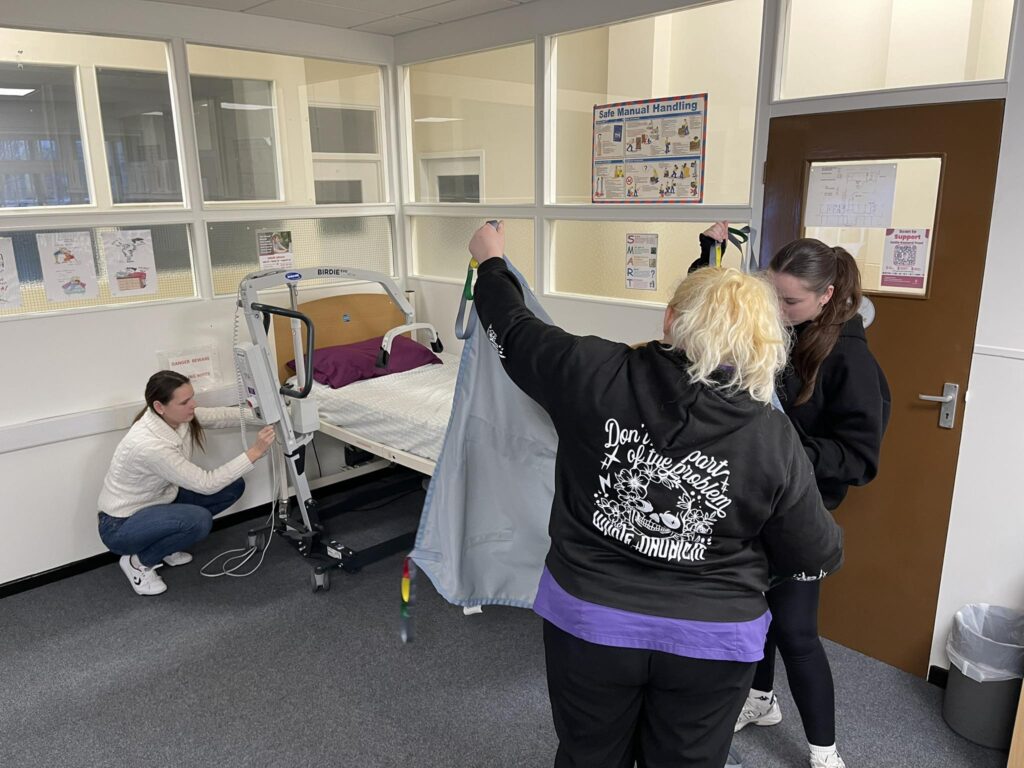
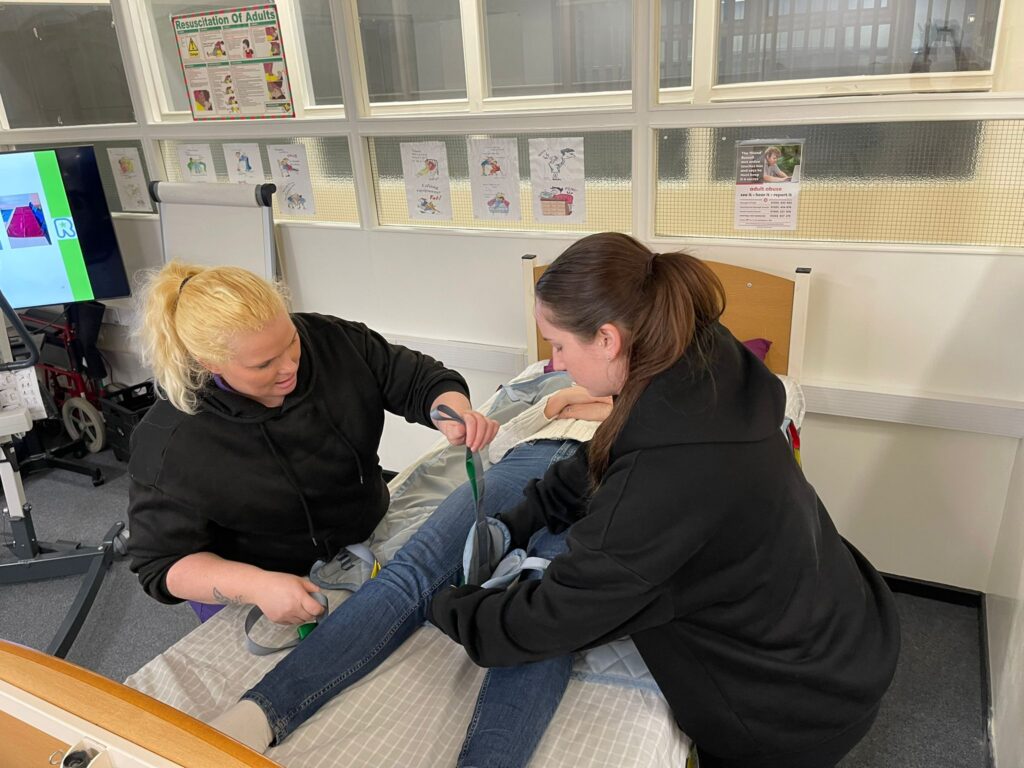
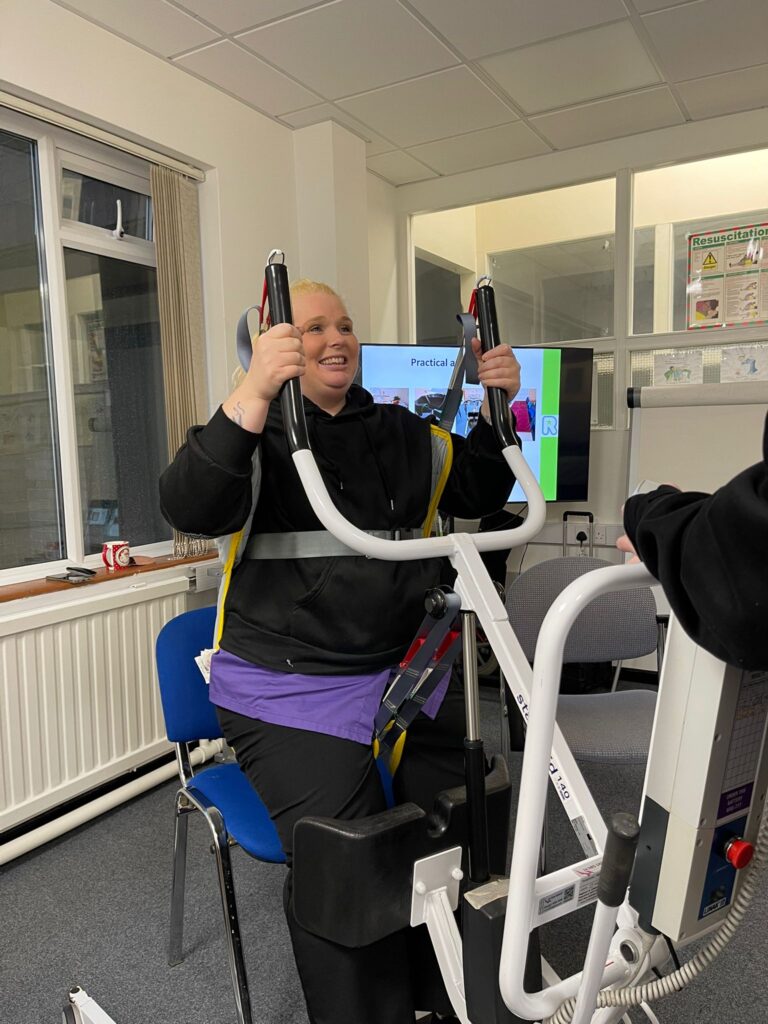
At Absolute Care, we believe that providing high-quality care starts with a commitment to never stop learning. This week, our incredible team of carers gathered for our annual Moving and Assisting training, an essential part of our professional development calendar.
While these sessions are a requirement, for us, they are so much more than just ticking a box. Here is a look at why we invest so much time and energy into these training days.
Annual Moving
and Assisting Training
1. Lets make safety a FIRST PRIORITY.
The primary goal of Moving and Assisting training is to ensure that every person we support receives care that is safe and secure. By staying up-to-date with the latest guidelines and legislation, our carers use the most modern techniques to prevent injury and promote comfort.
Whether it’s using a hoist or helping someone transition from a bed to a chair, we
ensure our team has the technical skills to do it perfectly.While these sessions are a requirement, for us, they are so much more than just ticking a box. Here is a look at why we invest so much time and energy into these training days.
2. Protecting People and Preserving Dignity
Supporting individuals with mobility challenges requires more than physical assistance — it demands empathy, skill, and respect. Every movement should prioritise the person’s safety and dignity.
Without the right techniques, even simple tasks can lead to discomfort, injury, or loss of trust. Professional moving and handling training equips carers with the correct methods, equipment, and communication skills to provide safe, comfortable, and dignified support every time.
3. Preventing Workplace Injuries
Musculoskeletal injuries — particularly those affecting the back — are among the leading causes of workplace absence in health and social care. These injuries often stem from poor manual handling practices.
With proper training, staff learnt how to maintain good
posture, lift safely, and use the appropriate aids, dramatically reducing the risk of injury and promoting a healthier work environment
4. Promoting Confidence and Competence
Well-trained staff are confident staff. We understand safe handling techniques, they feel more capable in their roles. This boosts morale, lowers stress, and enhances the quality of care delivered to clients. Confident carers are more proactive, efficient, and adaptive when managing day-to-day challenges.
5. Meeting Legal and Regulatory Standards
Safe handling isn’t optional — it’s the law. Under the Manual Handling Operations Regulations 1992 (MHOR) and the Health and Safety at Work Act 1974, employers are legally required to provide effective training to reduce the risk of manual handling injuries. Failure to comply can lead to serious legal, financial, and reputational consequences.
Get in touch with us using our online contact form, and a member of our friendly team will respond promptly.
Alternatively, you can call us on 01202 75 75 15 to discuss your requirements directly.
Make an enquiry
We use cookies to ensure that we give you the best experience on our website. If you continue to use this site we will assume that you are happy with it.